


Luck or skill what truly determines your success in gambling
The Role of Luck in Gambling
When it comes to gambling, luck is often the first factor that comes to mind. Many believe that the outcome of games, especially in casinos, is predominantly based on chance. Games like slot machines, roulette, and lotteries illustrate how luck plays a significant role, as these games operate on random number generators or spinning wheels, leaving players with little to no control over the results. In fact, for many players, discovering no kyc casinos can enhance their gaming experience by ensuring smoother transactions.
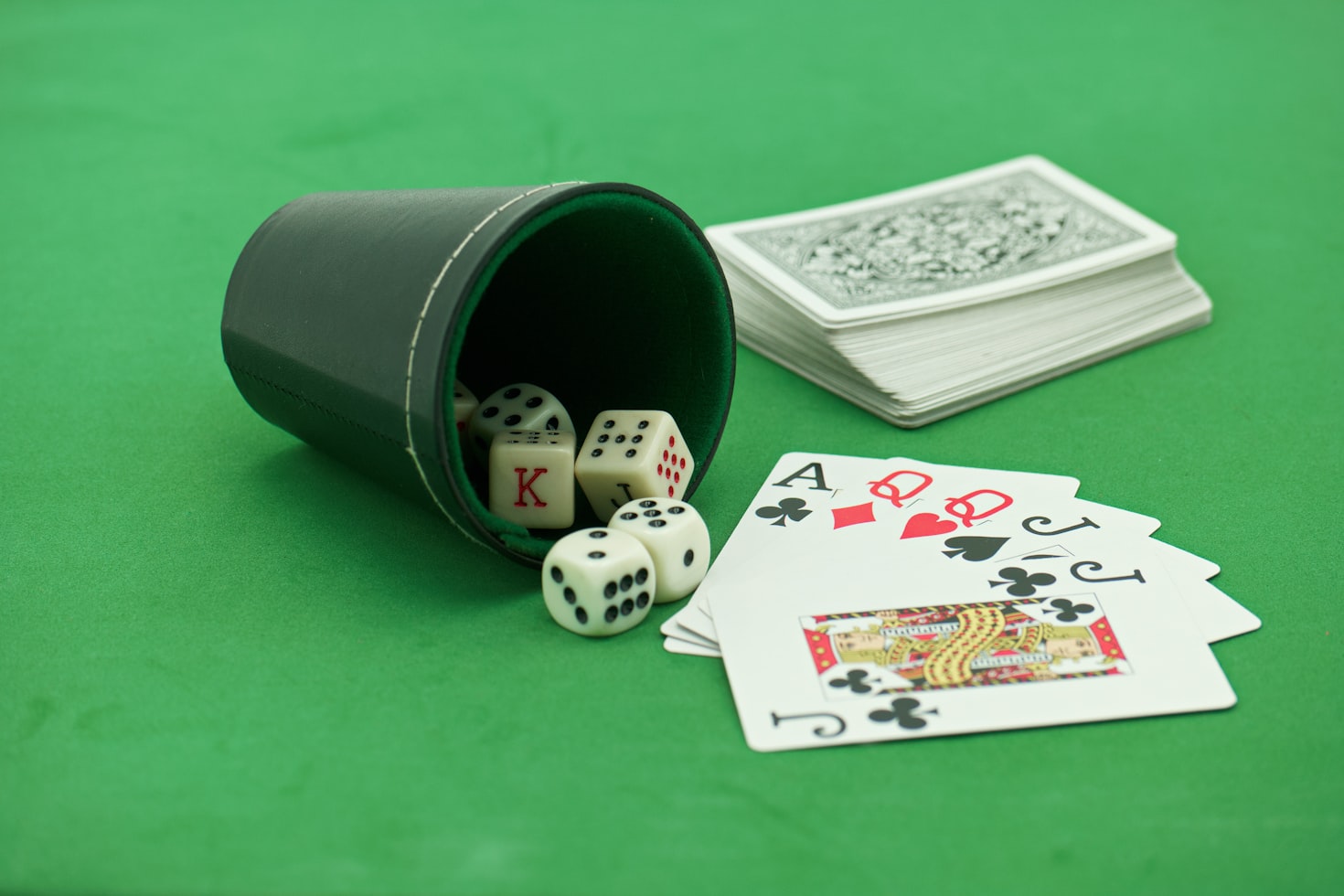
However, while luck can provide thrilling wins, it can also lead to devastating losses. Players often experience winning streaks and losing streaks, highlighting the unpredictable nature of luck. This inconsistency is a hallmark of gambling that can influence how individuals approach their play, leading some to chase losses in hopes that luck will eventually turn in their favor.
The Importance of Skill in Gambling
On the flip side, skill is an equally important aspect that cannot be ignored. In games such as poker and blackjack, understanding the strategies and employing effective techniques can greatly enhance a player’s chances of success. Knowledge of probabilities, bluffing techniques, and game theory can distinguish skilled players from novices.
Moreover, skill can mitigate the randomness of luck. Experienced gamblers often devise strategies that allow them to capitalize on favorable situations while minimizing losses during unfavorable ones. This mastery over the game’s mechanics can lead to a more sustainable gambling approach, relying on analytical thinking and decision-making rather than mere chance.
The Balance Between Luck and Skill
The interplay between luck and skill is what makes gambling an intriguing activity. In most gambling scenarios, success is not solely determined by one factor alone. Instead, players often find themselves navigating a complex landscape where both elements coexist. A skilled player may enjoy a series of wins due to their knowledge, but without a little luck, even the best strategies can falter.
This balance is particularly evident in competitive environments such as poker tournaments, where skilled players often outperform their luck-based counterparts over time. However, in the short term, luck can still prevail, leading to unexpected outcomes that can reshape any player’s fortunes within a single game.
The Psychological Aspects of Gambling
The psychological dimension of gambling further complicates the luck vs. skill debate. Gamblers often exhibit behaviors influenced by their perceptions of luck and skill, which can affect their decision-making. The “gambler’s fallacy,” for example, is a belief that past outcomes can influence future results, leading players to make irrational choices based on emotional reasoning.
This psychological aspect can lead to overconfidence in one’s skills or an undue emphasis on luck, resulting in reckless gambling behavior. Understanding the mental traps that come with gambling can help players make more informed decisions, allowing them to better navigate the balance between luck and skill.

Conclusion and the Role of Our Website
Ultimately, the question of whether luck or skill determines success in gambling does not yield a simple answer. Both elements play crucial roles, and understanding how they interact can improve a player’s experience. By acknowledging the influence of luck while cultivating skill, gamblers can enhance their enjoyment and potentially their profitability.
At our website, we provide resources and insights to help you navigate the world of gambling. Whether you’re looking to improve your skills or simply understand the role of luck, we offer a variety of tools and information to enhance your gambling experience. Join us as we explore the fascinating dynamics of gambling success!
